
Your Car's Been Written Off and It's on Finance. Here's What Actually Happens
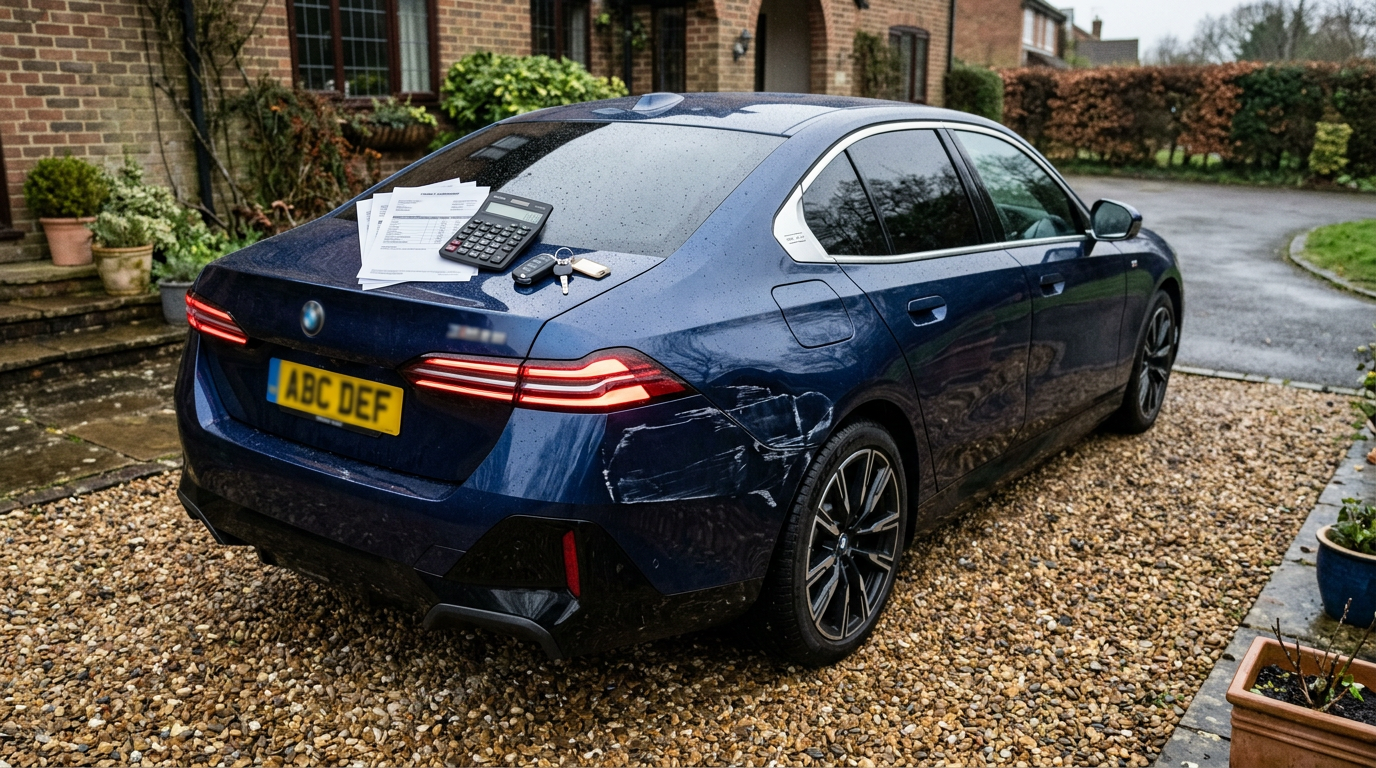
Your Car's Been Written Off and It's on Finance. Here's What Actually Happens
A write-off is stressful enough. A write-off on a car you're still paying for adds a second question on top of "what's it worth": who gets the money, and what happens if the settlement doesn't cover what you owe?
Here's how it works in plain terms.
The settlement goes through the lender first
While there's outstanding finance, the finance company has an interest in the car. When an insurer settles a write-off, the finance is settled from the payout first, and anything left over comes to you. Three outcomes are possible.
Settlement covers the finance with money left over. The lender is paid off, you receive the balance, and you're free to move on. This is common on older agreements where most of the balance has been paid down.
Settlement roughly equals the finance. The loan clears, you receive little or nothing, but you owe nothing either.
Settlement is less than the finance. This is negative equity, most common early in PCP and HP agreements, and the shortfall remains your responsibility unless you have GAP insurance, which exists for exactly this scenario. If you have GAP, contact that insurer as soon as the write-off is confirmed.
Whatever your situation, tell your finance company about the write-off promptly. Continuing to make payments until everything is formally settled protects your credit record.
Can you retain a written-off car that's on finance?
Sometimes, but not unilaterally. Because the lender has an interest in the vehicle, retaining it typically needs their agreement as part of the settlement process. In practice, retention conversations are simplest when the finance is being fully cleared by the settlement. Check your agreement and speak to your lender before telling the insurer you want to keep the car; every agreement is different and this is one place not to guess.
Once the finance is settled and the car is yours
This is where the write-off stops being a loss and becomes an asset. If you've retained the vehicle, or you've since bought it back with the finance cleared, you now own a Cat S or Cat N car outright, and the standard Second Gears play applies: the salvage deduction you accepted was priced for the bottom of the auction chain, and selling directly to trade buyers routinely beats it.
Get the paperwork straight first: finance settled in writing, V5C sorted for the category, and the settlement letter filed. Buyers move faster and pay more for a car with a clean, documented story.
Sell it direct once it's yours
List your retained write-off free on Second Gears and verified UK trade buyers, rebuilders, dealers and breakers, contact you with direct offers. No auction fees, no middlemen, collection arranged by the buyer.
List your car free on Second Gears. Sell direct, not at auction, and keep the difference.
Related reading: Buying Back Your Insurance Write-Off? Here's How to Sell It for More.
Your Car's Been Written Off and It's on Finance. Here's What Actually Happens
A write-off is stressful enough. A write-off on a car you're still paying for adds a second question on top of "what's it worth": who gets the money, and what happens if the settlement doesn't cover what you owe?
Here's how it works in plain terms.
The settlement goes through the lender first
While there's outstanding finance, the finance company has an interest in the car. When an insurer settles a write-off, the finance is settled from the payout first, and anything left over comes to you. Three outcomes are possible.
Settlement covers the finance with money left over. The lender is paid off, you receive the balance, and you're free to move on. This is common on older agreements where most of the balance has been paid down.
Settlement roughly equals the finance. The loan clears, you receive little or nothing, but you owe nothing either.
Settlement is less than the finance. This is negative equity, most common early in PCP and HP agreements, and the shortfall remains your responsibility unless you have GAP insurance, which exists for exactly this scenario. If you have GAP, contact that insurer as soon as the write-off is confirmed.
Whatever your situation, tell your finance company about the write-off promptly. Continuing to make payments until everything is formally settled protects your credit record.
Can you retain a written-off car that's on finance?
Sometimes, but not unilaterally. Because the lender has an interest in the vehicle, retaining it typically needs their agreement as part of the settlement process. In practice, retention conversations are simplest when the finance is being fully cleared by the settlement. Check your agreement and speak to your lender before telling the insurer you want to keep the car; every agreement is different and this is one place not to guess.
Once the finance is settled and the car is yours
This is where the write-off stops being a loss and becomes an asset. If you've retained the vehicle, or you've since bought it back with the finance cleared, you now own a Cat S or Cat N car outright, and the standard Second Gears play applies: the salvage deduction you accepted was priced for the bottom of the auction chain, and selling directly to trade buyers routinely beats it.
Get the paperwork straight first: finance settled in writing, V5C sorted for the category, and the settlement letter filed. Buyers move faster and pay more for a car with a clean, documented story.
Sell it direct once it's yours
List your retained write-off free on Second Gears and verified UK trade buyers, rebuilders, dealers and breakers, contact you with direct offers. No auction fees, no middlemen, collection arranged by the buyer.
List your car free on Second Gears. Sell direct, not at auction, and keep the difference.
Related reading: Buying Back Your Insurance Write-Off? Here's How to Sell It for More.
Related Articles
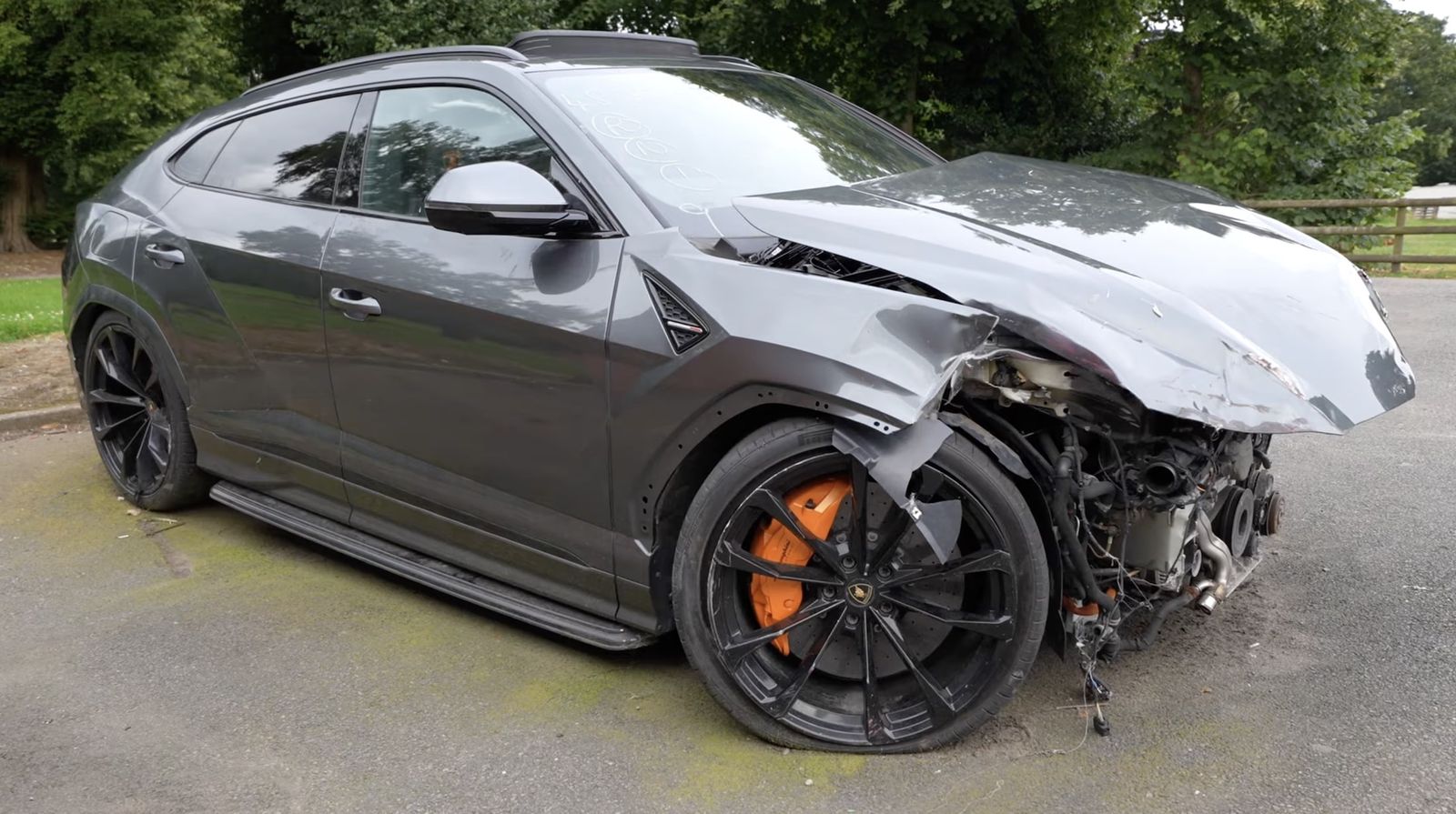
How to Sell a Damaged Car Fast in the UK — Without Losing Money
Most people who try to sell a damaged car end up doing one of two things: accepting far too little because they panic, or waiting far too long because...

How to Sell a Car With Outstanding Finance in the UK
If you want to sell your car but still have a finance agreement running on it, you are not stuck. But you do need to handle it correctly.Selling a car...
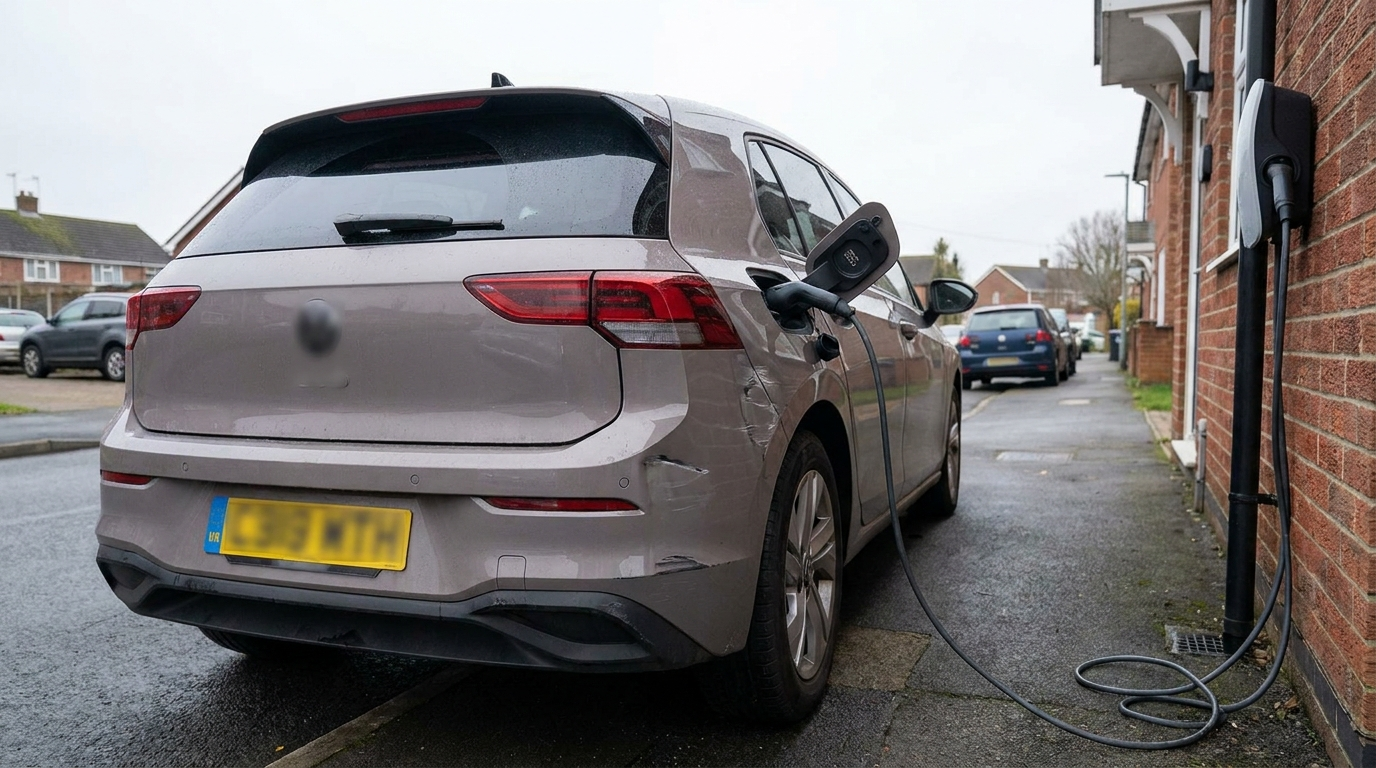
Used EV Sales Just Hit Record Highs. Here's What That Means If Yours Is Damaged
Used EV Sales Just Hit Record Highs. Here's What That Means If Yours Is DamagedThe UK used electric car market is no longer a niche. In the first quar...