
Selling a Car With Engine Problems: The Maths Most Owners Get Wrong
Selling a Car With Engine Problems: The Maths Most Owners Get Wrong
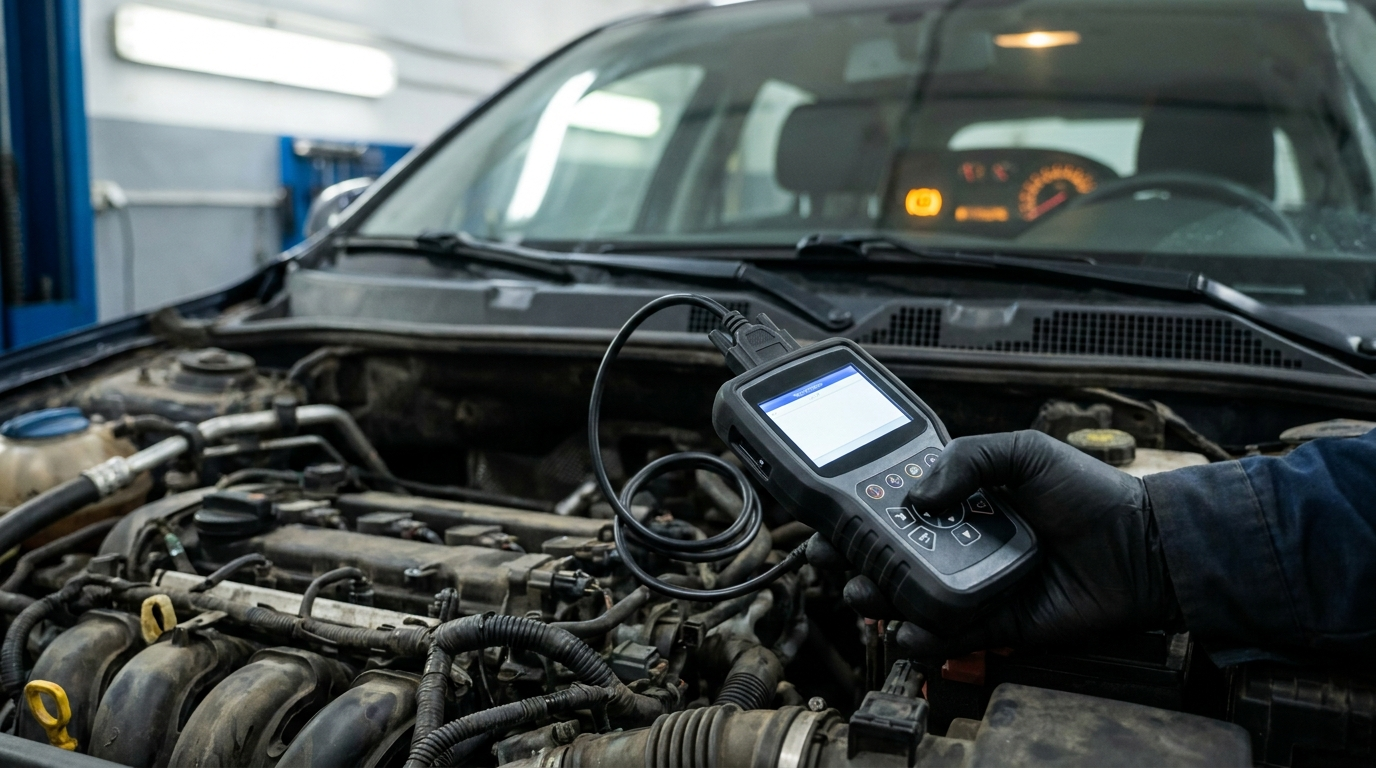
An engine warning, a knock, smoke on startup, or the worst-case phone call from a garage: the engine has gone. The quote to fix it is more than the car feels worth, and suddenly you are weighing up repair bills against scrap money.
There is a third option that most owners never properly explore, and it usually beats both.
Why a dead engine doesn't kill the car's value
Your car's value is not one number. It is the sum of a body, an interior, electronics, gearbox, axles, wheels and hundreds of parts, plus the option value of fixing it. An engine failure takes one component out of that equation. Everything else survives.
To the trade, a car with engine problems is a straightforward calculation. A rebuilder prices your car as its repaired value minus a donor engine at trade cost, fitting time and margin. Donor engines are far cheaper for the trade than retail engine-replacement quotes, which is why a car that is "uneconomical to repair" for you can be a perfectly good project for them. A breaker prices it on parts demand, and for a popular hatchback or SUV that demand is constant. With the average car on UK roads now 9.7 years old, more owners than ever are keeping older cars alive, and they all need parts.
This is also why the garage quote you received is not a verdict on the car. It is a retail price for one route.
What cars with engine problems actually sell for
It varies with model, mileage, body condition and exactly what has failed, but the pattern is consistent: cars sold directly to trade buyers with a clearly described engine fault achieve meaningfully more than scrap weight, and often surprise their owners. Desirable models with clean bodywork do best, because the finished car is worth the rebuilder's time. Even high-mileage cars carry solid parts value if the model is common.
The sellers who lose out are the ones who take the first scrap quote, because scrap pricing ignores everything about the car except its weight.
How to describe an engine fault so buyers trust the listing
Be specific and be honest. "Timing chain rattle on cold start, drives but not recommended" or "engine seized, body and interior excellent, no accident history" tells a buyer exactly what they are pricing. Include the mileage, service history, when the fault appeared and any diagnostic codes. Photograph the engine bay, the dash and the whole car. Uncertainty is the enemy of a good offer; the more a buyer has to assume, the lower they bid.
Repair, sell or scrap: the quick test
Repair if the quote is well below the car's healthy value and you want to keep it. Scrap only if the car is genuinely end-of-life: heavy corrosion, unpopular model, multiple failures. Sell to the trade in almost every other case, which covers most engine failures on cars under fifteen years old.
Get offers instead of quotes
Second Gears puts your car with engine problems in front of verified UK trade buyers, rebuilders, breakers and dealers, who make direct offers. Listing is free, the buyer arranges collection, and payment lands before or on pickup. No auction fees, no middlemen, no haggling on your doorstep.
List your car free on Second Gears and find out what the trade will really pay.
Related reading: How to Sell a Non-Runner in the UK (link once live) and Scrap vs Sell: Which Gets You More for Your Damaged Car?
Selling a Car With Engine Problems: The Maths Most Owners Get Wrong
An engine warning, a knock, smoke on startup, or the worst-case phone call from a garage: the engine has gone. The quote to fix it is more than the car feels worth, and suddenly you are weighing up repair bills against scrap money.
There is a third option that most owners never properly explore, and it usually beats both.
Why a dead engine doesn't kill the car's value
Your car's value is not one number. It is the sum of a body, an interior, electronics, gearbox, axles, wheels and hundreds of parts, plus the option value of fixing it. An engine failure takes one component out of that equation. Everything else survives.
To the trade, a car with engine problems is a straightforward calculation. A rebuilder prices your car as its repaired value minus a donor engine at trade cost, fitting time and margin. Donor engines are far cheaper for the trade than retail engine-replacement quotes, which is why a car that is "uneconomical to repair" for you can be a perfectly good project for them. A breaker prices it on parts demand, and for a popular hatchback or SUV that demand is constant. With the average car on UK roads now 9.7 years old, more owners than ever are keeping older cars alive, and they all need parts.
This is also why the garage quote you received is not a verdict on the car. It is a retail price for one route.
What cars with engine problems actually sell for
It varies with model, mileage, body condition and exactly what has failed, but the pattern is consistent: cars sold directly to trade buyers with a clearly described engine fault achieve meaningfully more than scrap weight, and often surprise their owners. Desirable models with clean bodywork do best, because the finished car is worth the rebuilder's time. Even high-mileage cars carry solid parts value if the model is common.
The sellers who lose out are the ones who take the first scrap quote, because scrap pricing ignores everything about the car except its weight.
How to describe an engine fault so buyers trust the listing
Be specific and be honest. "Timing chain rattle on cold start, drives but not recommended" or "engine seized, body and interior excellent, no accident history" tells a buyer exactly what they are pricing. Include the mileage, service history, when the fault appeared and any diagnostic codes. Photograph the engine bay, the dash and the whole car. Uncertainty is the enemy of a good offer; the more a buyer has to assume, the lower they bid.
Repair, sell or scrap: the quick test
Repair if the quote is well below the car's healthy value and you want to keep it. Scrap only if the car is genuinely end-of-life: heavy corrosion, unpopular model, multiple failures. Sell to the trade in almost every other case, which covers most engine failures on cars under fifteen years old.
Get offers instead of quotes
Second Gears puts your car with engine problems in front of verified UK trade buyers, rebuilders, breakers and dealers, who make direct offers. Listing is free, the buyer arranges collection, and payment lands before or on pickup. No auction fees, no middlemen, no haggling on your doorstep.
List your car free on Second Gears and find out what the trade will really pay.
Related reading: How to Sell a Non-Runner in the UK (link once live) and Scrap vs Sell: Which Gets You More for Your Damaged Car?
Related Articles
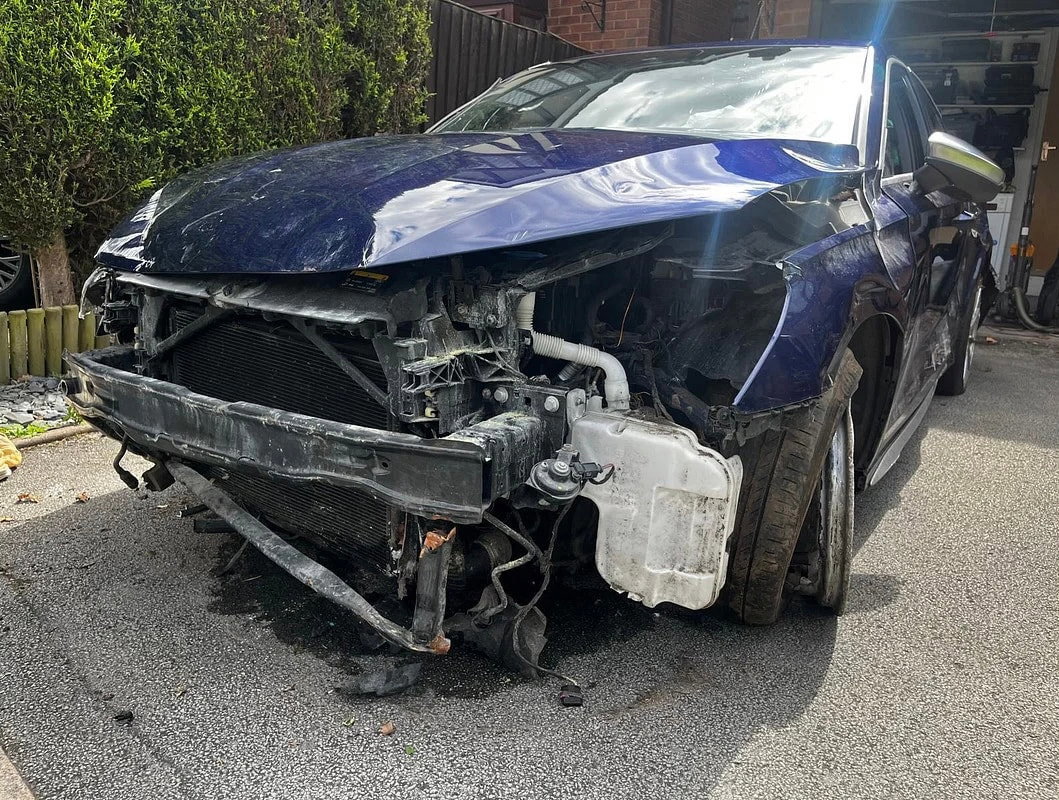
Insurance Buy-Back, Explained in Two Minutes (and the £2,600 Decision)
Insurance Buy-Back, Explained in Two Minutes (and the £2,600 Decision)You've had a crash. Your insurer has written the car off and offered a settlemen...
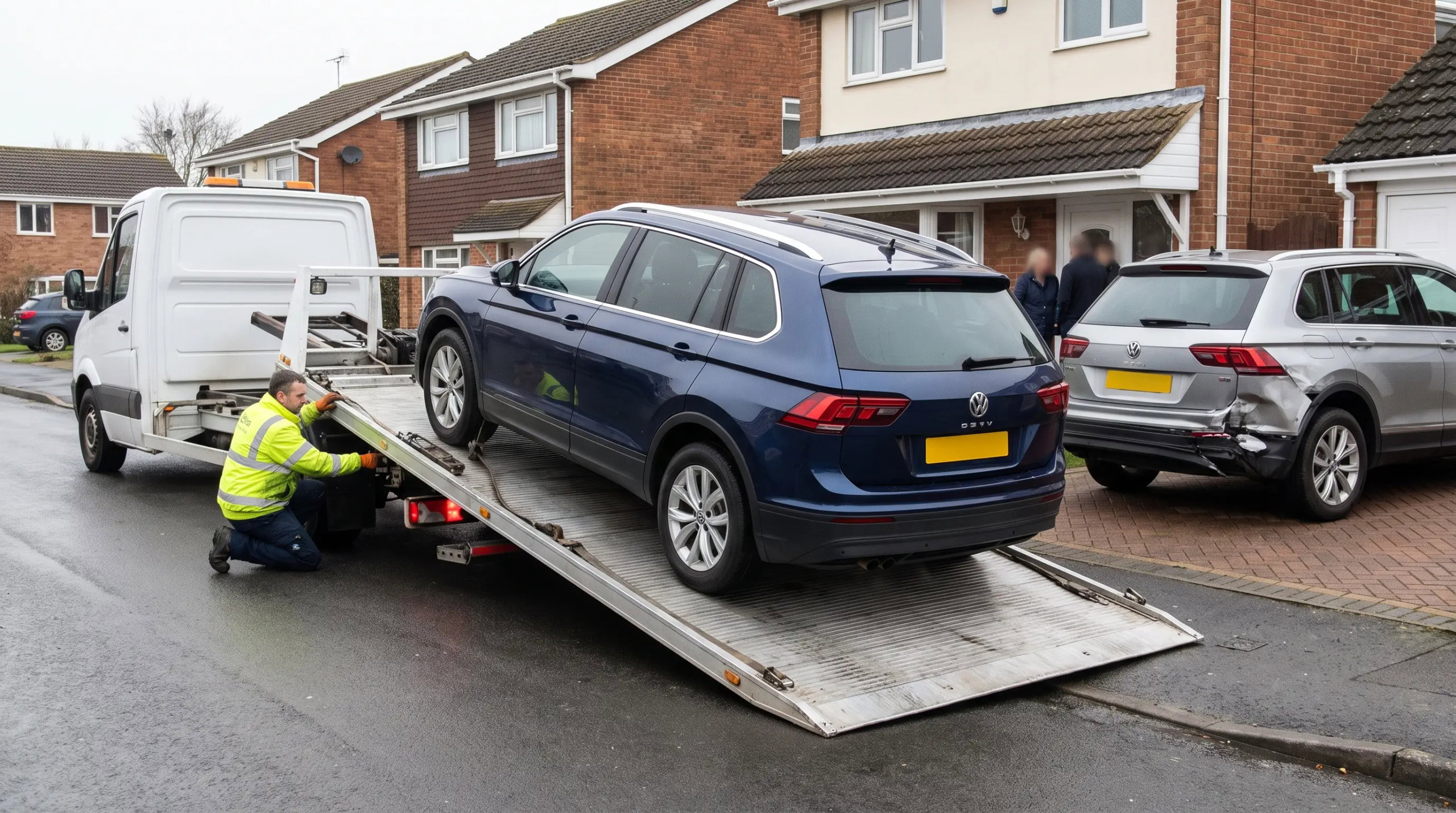
Non-Fault Accident Replacement Car: Your Rights
The Replacement Car You're Actually Entitled To After a Non-Fault AccidentMost drivers think the best they can hope for while their car is repaired is...

Scrap vs Sell: What Gets You More for Your Damaged Car
If your car has been damaged, written off, or just will not start anymore, you are probably weighing up the same question most owners face: is it bett...