
How to Sell a Non-Runner in the UK Without Giving It Away
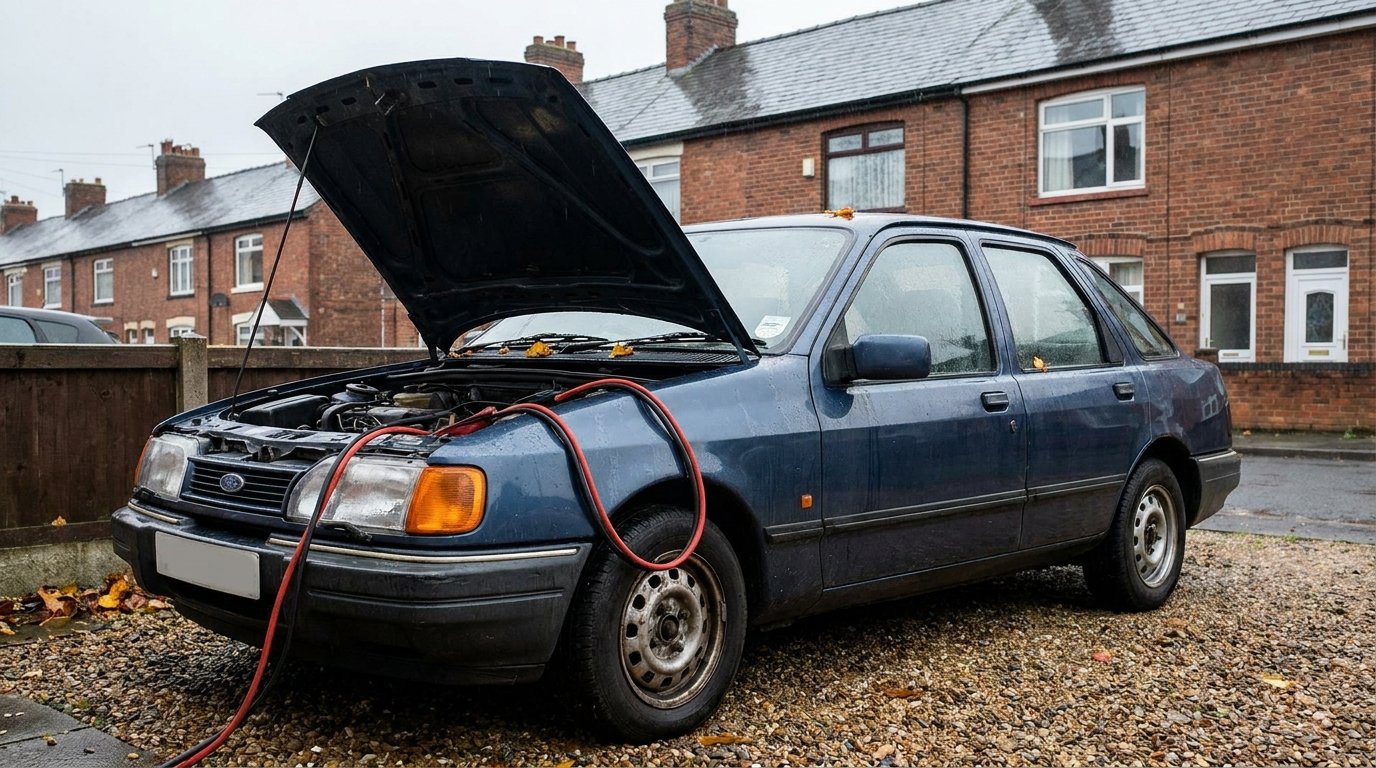
How to Sell a Non-Runner in the UK Without Giving It Away
A car that will not start or drive feels like a liability sitting on your drive. It is not. Non-runners are bought every day in the UK, often for more than their owners expect, because the person buying is not planning to drive it home. They are planning to fix it, break it or move it on.
The difference between a poor result and a good one is knowing who buys non-runners, what they pay for, and how to reach them.
First, work out what kind of non-runner you have
Not all non-runners are equal, and the cause changes the value dramatically.
Simple causes: flat battery, starter motor, alternator, fuel pump, clutch. Cheap fixes for someone with tools. These cars can be worth a large share of running value.
Serious mechanical: engine failure, gearbox failure, timing issues. Value drops, but strong models with good bodies remain attractive because a donor engine transforms the maths.
Accident or category non-runners: written-off cars that no longer drive. Value follows the write-off category and the parts demand for the model.
Genuine end-of-life: heavy corrosion, multiple failures, no economical path back. The value is in parts and weight, but even here, selling to the trade directly usually beats a generic scrap quote.
Be honest with yourself about which one you have. Buyers will work it out anyway, and a mispriced listing just sits.
Who actually buys non-runners
Rebuilders and mechanics buy repairable non-runners as projects and quick flips. Breakers buy for parts, and popular models have constant parts demand. Exporters buy certain makes regardless of condition. Small dealers buy cheap stock they can recondition. None of these buyers care that the car does not currently start. They care about what it is, what is wrong with it, and what it costs them.
The mistake most sellers make is only ever getting a scrap quote, which prices the car by weight, when the same vehicle might be worth multiples of that to a rebuilder or breaker.
How to list a non-runner properly
State the fault clearly. "Doesn't start, suspected fuel pump, cranks but won't fire" gets serious offers. "Spares or repairs" gets lowballs.
Say when it last ran. Recency matters. A car parked three weeks ago is different from one parked three years ago.
Photograph everything. Exterior, interior, engine bay, dash with ignition on if possible, tyres, any damage.
Confirm the paperwork. V5C in your name, keys, service history, MOT status.
Mention collection access. Buyers arrange recovery, but they need to know the car is accessible for a truck.
Price for the trade, not the forecourt. Non-runners sell at trade-project money. Realistic pricing sells fast; fantasy pricing sells never.
Do you have to pay for recovery?
No. With the right buyer, collection is part of the deal. Trade buyers who purchase non-runners have transporters and recovery arrangements as standard. If a route requires you to pay to move the car before you have been paid for it, you are in the wrong sales channel.
The direct route
Second Gears was built for cars exactly like this. Non-runners, MOT failures, write-offs and damaged cars are listed free by private sellers, and verified trade buyers, rebuilders, breakers and dealers, make offers directly. The buyer arranges collection, you get paid before or on pickup, and no auction takes a cut on the way through.
List your non-runner free on Second Gears and let the buyers come to you.
Related reading: Can You Sell a Car That Failed Its MOT?
How to Sell a Non-Runner in the UK Without Giving It Away
A car that will not start or drive feels like a liability sitting on your drive. It is not. Non-runners are bought every day in the UK, often for more than their owners expect, because the person buying is not planning to drive it home. They are planning to fix it, break it or move it on.
The difference between a poor result and a good one is knowing who buys non-runners, what they pay for, and how to reach them.
First, work out what kind of non-runner you have
Not all non-runners are equal, and the cause changes the value dramatically.
Simple causes: flat battery, starter motor, alternator, fuel pump, clutch. Cheap fixes for someone with tools. These cars can be worth a large share of running value.
Serious mechanical: engine failure, gearbox failure, timing issues. Value drops, but strong models with good bodies remain attractive because a donor engine transforms the maths.
Accident or category non-runners: written-off cars that no longer drive. Value follows the write-off category and the parts demand for the model.
Genuine end-of-life: heavy corrosion, multiple failures, no economical path back. The value is in parts and weight, but even here, selling to the trade directly usually beats a generic scrap quote.
Be honest with yourself about which one you have. Buyers will work it out anyway, and a mispriced listing just sits.
Who actually buys non-runners
Rebuilders and mechanics buy repairable non-runners as projects and quick flips. Breakers buy for parts, and popular models have constant parts demand. Exporters buy certain makes regardless of condition. Small dealers buy cheap stock they can recondition. None of these buyers care that the car does not currently start. They care about what it is, what is wrong with it, and what it costs them.
The mistake most sellers make is only ever getting a scrap quote, which prices the car by weight, when the same vehicle might be worth multiples of that to a rebuilder or breaker.
How to list a non-runner properly
State the fault clearly. "Doesn't start, suspected fuel pump, cranks but won't fire" gets serious offers. "Spares or repairs" gets lowballs.
Say when it last ran. Recency matters. A car parked three weeks ago is different from one parked three years ago.
Photograph everything. Exterior, interior, engine bay, dash with ignition on if possible, tyres, any damage.
Confirm the paperwork. V5C in your name, keys, service history, MOT status.
Mention collection access. Buyers arrange recovery, but they need to know the car is accessible for a truck.
Price for the trade, not the forecourt. Non-runners sell at trade-project money. Realistic pricing sells fast; fantasy pricing sells never.
Do you have to pay for recovery?
No. With the right buyer, collection is part of the deal. Trade buyers who purchase non-runners have transporters and recovery arrangements as standard. If a route requires you to pay to move the car before you have been paid for it, you are in the wrong sales channel.
The direct route
Second Gears was built for cars exactly like this. Non-runners, MOT failures, write-offs and damaged cars are listed free by private sellers, and verified trade buyers, rebuilders, breakers and dealers, make offers directly. The buyer arranges collection, you get paid before or on pickup, and no auction takes a cut on the way through.
List your non-runner free on Second Gears and let the buyers come to you.
Related reading: Can You Sell a Car That Failed Its MOT?
Related Articles
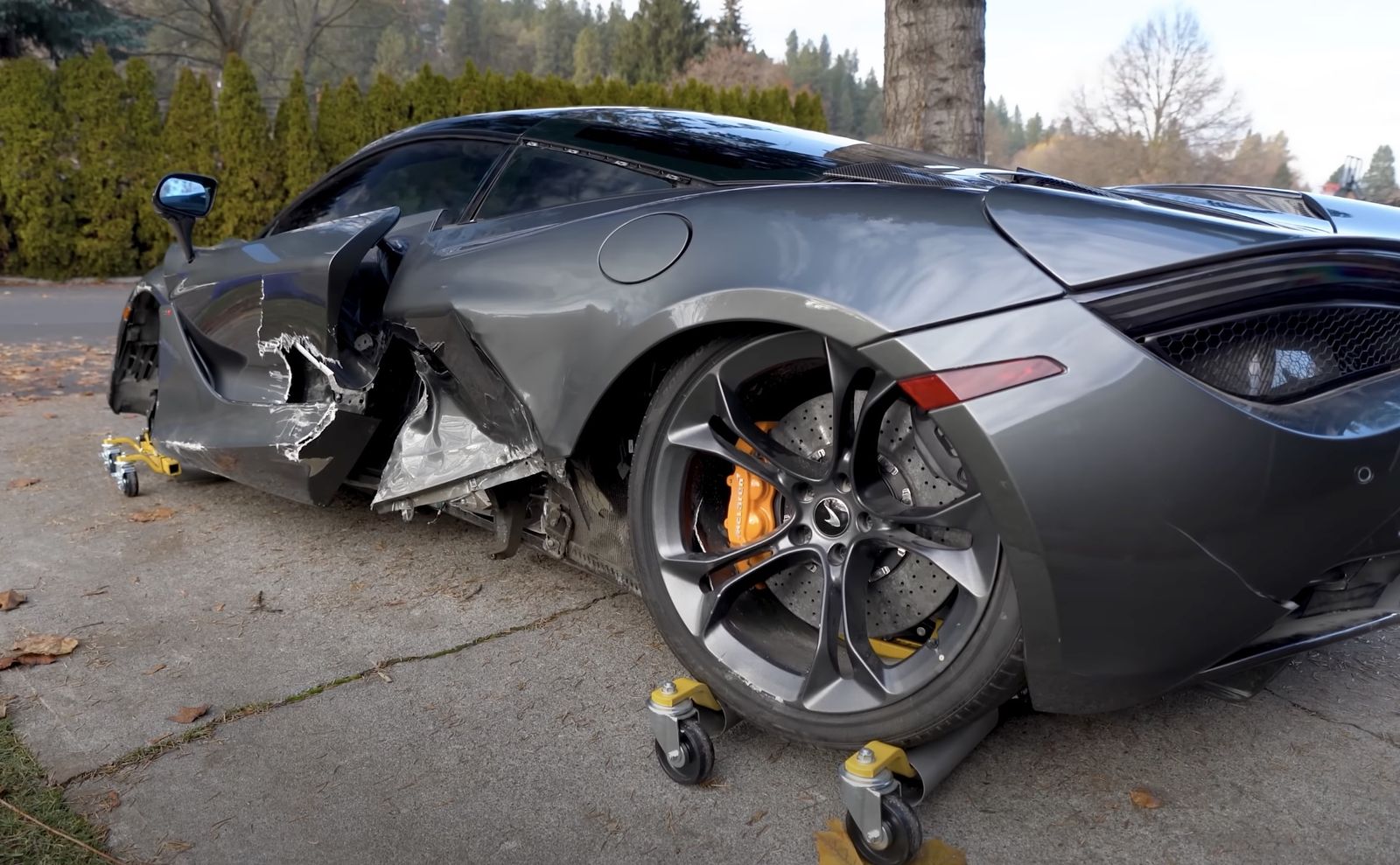
How to Source Salvage and Damaged cars Without Paying Auction Fees (UK Guide)
If you are a dealer, rebuilder or trader sourcing salvage and damaged stock in the UK, auction fees are one of the biggest costs eating into your marg...
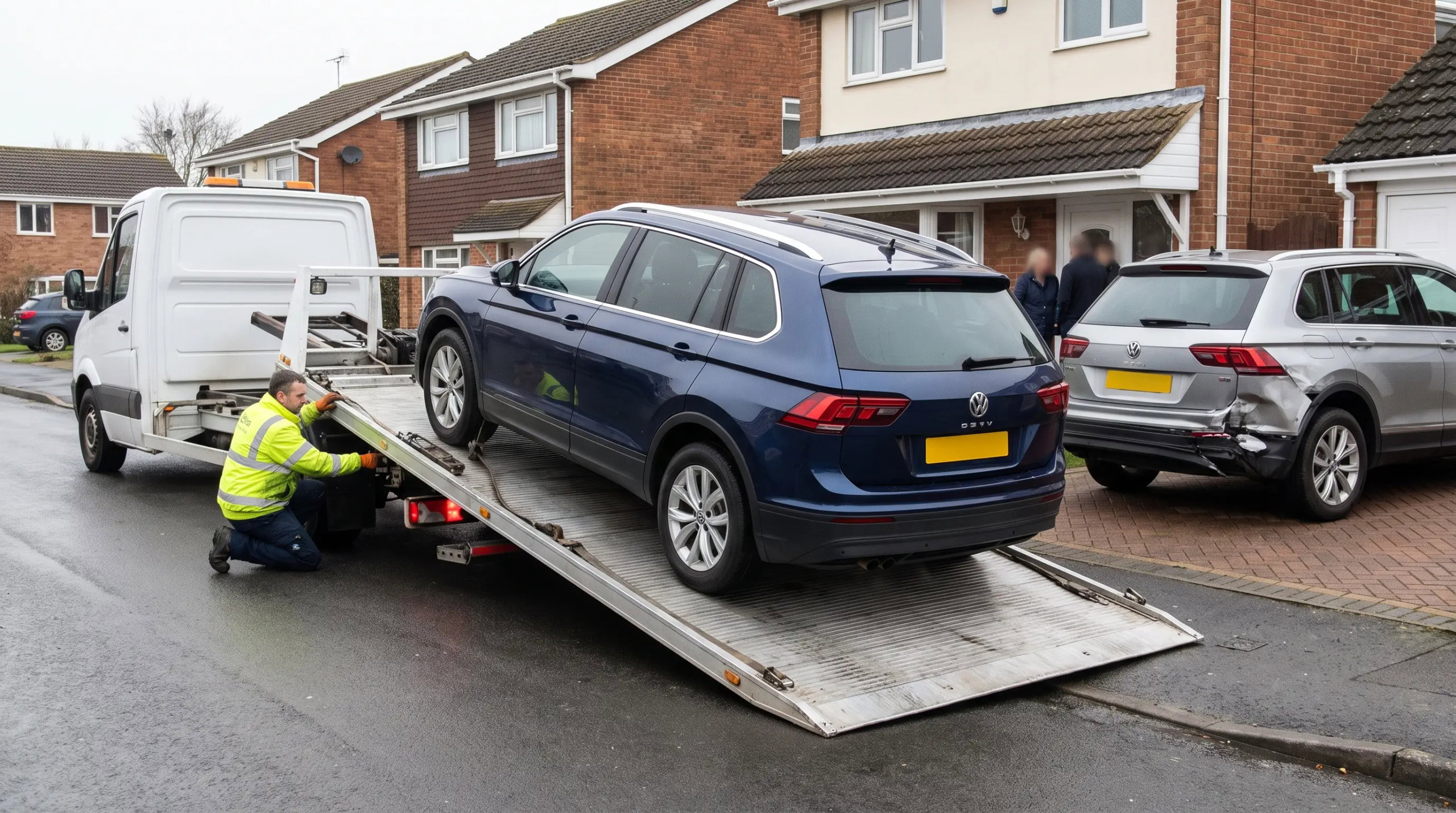
Non-Fault Accident Replacement Car: Your Rights
The Replacement Car You're Actually Entitled To After a Non-Fault AccidentMost drivers think the best they can hope for while their car is repaired is...
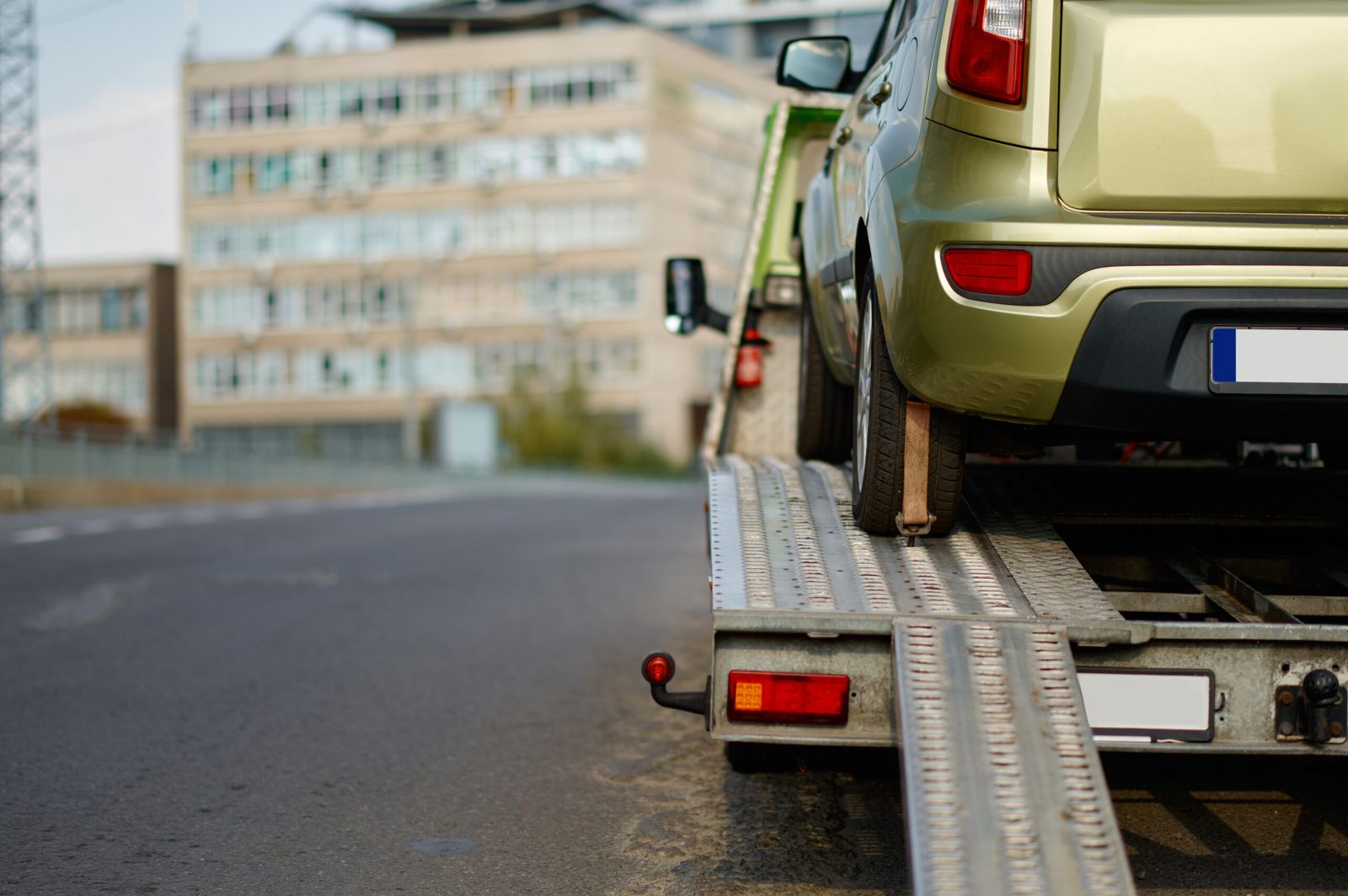
My car has been written-Off — What are my Options?
Getting a call from your insurer to say your car has been written off is one of the most stressful moments in any driver's life. One minute you have a...