
Can You Sell a Flood-Damaged Car in the UK? Yes, and Here's How to Do It Properly
Can You Sell a Flood-Damaged Car in the UK? Yes, and Here's How to Do It Properly
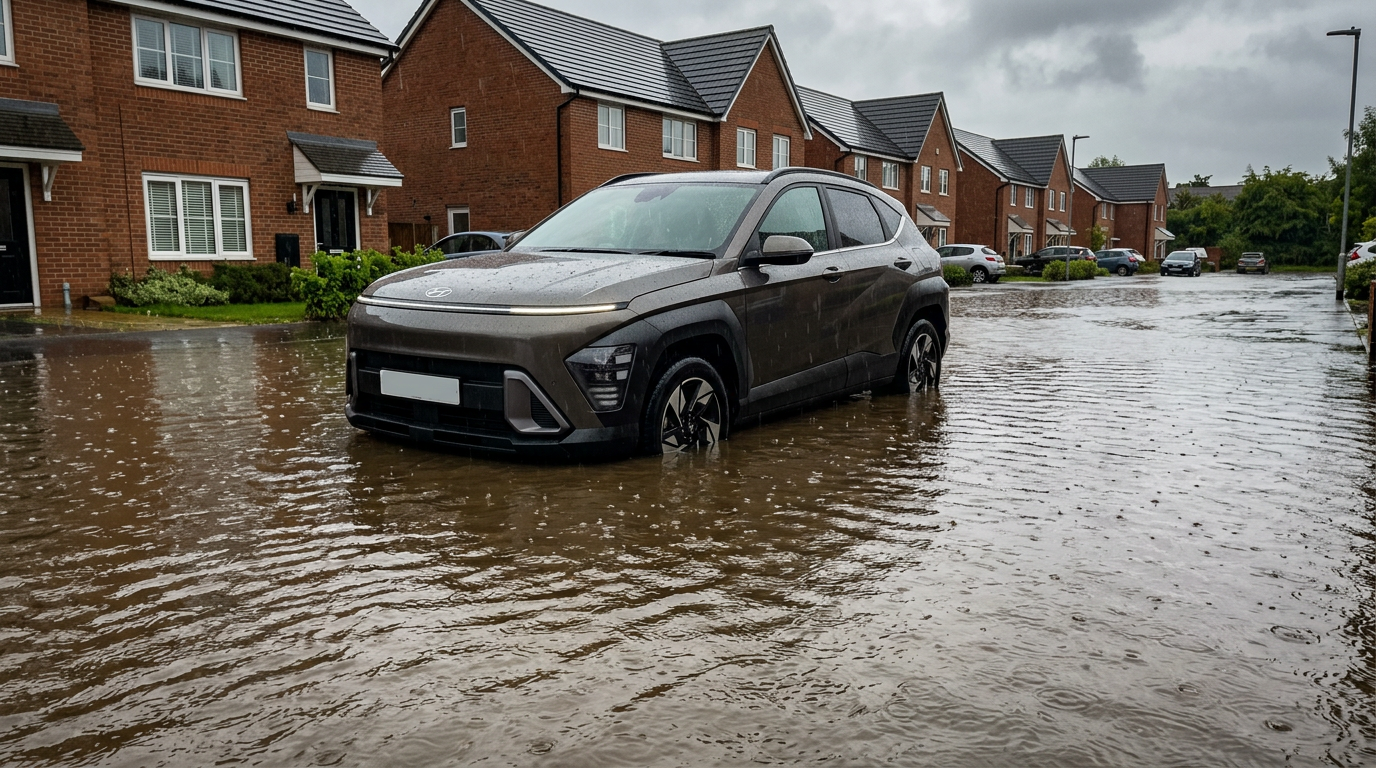
Every autumn and winter, thousands of UK cars end up standing in water. Some dry out and seem fine, some fail electrically weeks later, and many are written off by insurers who won't take the risk on hidden damage. If yours is one of them, the good news is simple: flood-damaged cars are legal to sell, they have real value, and there is a right way to do it.
What water actually does to a car
Depth and water type decide everything. Water below the sills is usually cosmetic. Once it reaches the carpets, connectors, control modules and wiring looms start becoming suspects, and faults can appear long after the car has dried. Deep water that reaches the intake can hydrolock an engine outright. Salt water is the worst case, corroding from the inside out.
This uncertainty is why insurers write flood cars off readily, usually as Cat N when the damage is non-structural. The write-off is a risk decision, not proof the car is ruined, and it is why flood cars are one of the most commonly retained types of write-off.
Who buys flood-damaged cars
The trade, comfortably. Rebuilders buy shallow-flood cars, strip and dry them properly, replace affected modules and return them to the road. Breakers buy deeper-flood cars for the parts water never touched: panels, glass, suspension, wheels, interiors on low-water cars. Exporters take certain models regardless. What none of them want is a surprise, which brings us to the one rule of selling a flood car.
Be completely straight about the water
Selling a flood-damaged car legally requires honesty about the damage when asked, and practically, honesty is also what gets you paid more. State how deep the water came, roughly how long the car stood in it, whether it was fresh or salt water, whether it has been started since, and what works and doesn't. A seller who tries to dry a car out and pass it off as clean will be found out by the first buyer with a torch, and the listing dies. A seller who says "water to seat level, fresh water, not started since, electrics untested" gets serious offers from buyers who price exactly that every week.
One thing not to do: do not keep starting the car to check it. If water got anywhere near the intake or the electronics, repeated start attempts can turn a repairable car into a dead one.
What it's worth
A shallow-flood Cat N of a desirable model, honestly described, sells for far more than owners expect, because the trade repair is mostly labour, drying and module swaps. Deep-flood and salt-water cars trade closer to parts value. Either way, the direct-to-trade price beats a scrap quote, which values your car as if the flood dissolved everything but the metal.
Sell it the direct way
List your flood-damaged car free on Second Gears and put it in front of verified UK trade buyers who deal in water-damaged stock. They make offers directly, arrange collection, and there are no auction fees between their offer and your pocket.
List your flood-damaged car free on Second Gears. Retain your vehicle, sell direct, and keep the difference.
Related reading: What Are Cat S, Cat N and Cat B Cars? The Complete 2026 Guide.
Can You Sell a Flood-Damaged Car in the UK? Yes, and Here's How to Do It Properly
Every autumn and winter, thousands of UK cars end up standing in water. Some dry out and seem fine, some fail electrically weeks later, and many are written off by insurers who won't take the risk on hidden damage. If yours is one of them, the good news is simple: flood-damaged cars are legal to sell, they have real value, and there is a right way to do it.
What water actually does to a car
Depth and water type decide everything. Water below the sills is usually cosmetic. Once it reaches the carpets, connectors, control modules and wiring looms start becoming suspects, and faults can appear long after the car has dried. Deep water that reaches the intake can hydrolock an engine outright. Salt water is the worst case, corroding from the inside out.
This uncertainty is why insurers write flood cars off readily, usually as Cat N when the damage is non-structural. The write-off is a risk decision, not proof the car is ruined, and it is why flood cars are one of the most commonly retained types of write-off.
Who buys flood-damaged cars
The trade, comfortably. Rebuilders buy shallow-flood cars, strip and dry them properly, replace affected modules and return them to the road. Breakers buy deeper-flood cars for the parts water never touched: panels, glass, suspension, wheels, interiors on low-water cars. Exporters take certain models regardless. What none of them want is a surprise, which brings us to the one rule of selling a flood car.
Be completely straight about the water
Selling a flood-damaged car legally requires honesty about the damage when asked, and practically, honesty is also what gets you paid more. State how deep the water came, roughly how long the car stood in it, whether it was fresh or salt water, whether it has been started since, and what works and doesn't. A seller who tries to dry a car out and pass it off as clean will be found out by the first buyer with a torch, and the listing dies. A seller who says "water to seat level, fresh water, not started since, electrics untested" gets serious offers from buyers who price exactly that every week.
One thing not to do: do not keep starting the car to check it. If water got anywhere near the intake or the electronics, repeated start attempts can turn a repairable car into a dead one.
What it's worth
A shallow-flood Cat N of a desirable model, honestly described, sells for far more than owners expect, because the trade repair is mostly labour, drying and module swaps. Deep-flood and salt-water cars trade closer to parts value. Either way, the direct-to-trade price beats a scrap quote, which values your car as if the flood dissolved everything but the metal.
Sell it the direct way
List your flood-damaged car free on Second Gears and put it in front of verified UK trade buyers who deal in water-damaged stock. They make offers directly, arrange collection, and there are no auction fees between their offer and your pocket.
List your flood-damaged car free on Second Gears. Retain your vehicle, sell direct, and keep the difference.
Related reading: What Are Cat S, Cat N and Cat B Cars? The Complete 2026 Guide.
Related Articles
Rebuild Watch: What's Happening in Salvage YouTube Right Now
Rebuild Watch: What's Happening in Salvage YouTube Right NowSalvage rebuilding has become one of the biggest genres in UK automotive content, and the...

Are Salvage Cars Safe to Drive?
Yes, a salvage car can be a safe and smart choice, when you buy carefully and know what to look for.If a car has been repaired properly and the work i...
Does a Non-Fault Accident Affect Insurance and NCB?
Does a Non-Fault Accident Affect Your Insurance? The Answer Nobody Likes, and the FixHere's the truth the renewal letter delivers eventually: yes, a n...