

How to Sell a Damaged or Written-Off Car in the UK (2025 Guide to Getting the Best Price)
Second Gears
Author
6 min read
10 December 2025
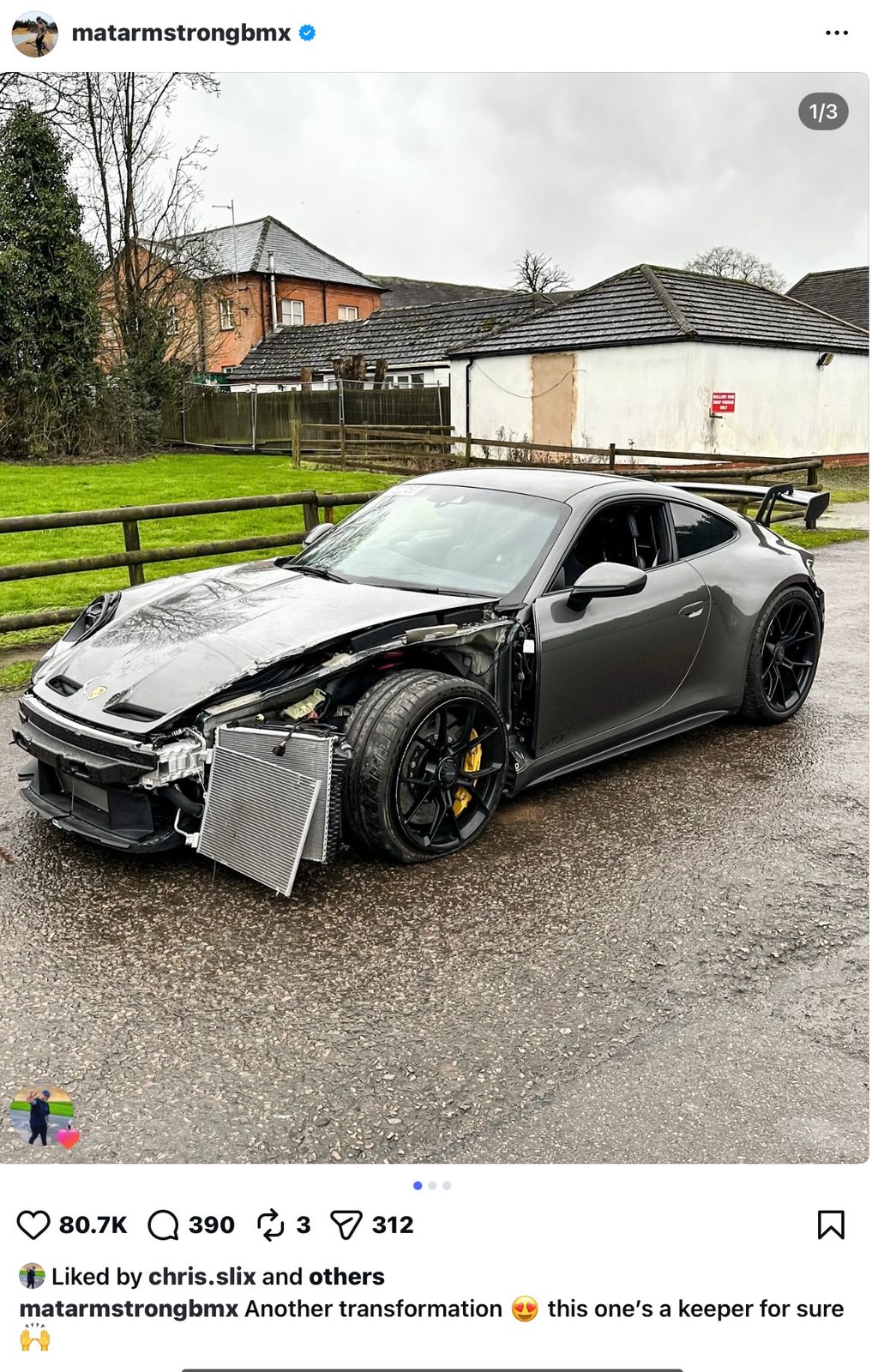
How to Sell a Damaged or Salvage Car in the UK in 2025 and Actually Get a Fair Price
Selling a damaged or written-off car has always been one of the most confusing corners of the UK automotive world. Many sellers feel pressured into accepting far less than their vehicle is worth. Others turn to auction houses and lose money in fees. Some try private listings and end up dealing with no-shows and time-wasters.
The reality is that damaged and salvage vehicles are in high demand across the UK. Traders, breakers, rebuild specialists and independent garages actively look for repairable stock every day. If you understand how the market works and you choose the right selling route, you can secure a strong price without any unnecessary stress.
This guide explains how to sell a damaged car safely and profitably, what determines value, who buys these vehicles, and why purpose-built platforms like Second Gears give private sellers an advantage.
What counts as a damaged or salvage car
In the UK today, the term “salvage” does not only apply to insurance write-offs. A car can qualify as salvage if it has accident damage, major mechanical problems, electrical faults, MOT failure issues or any defect that requires work before use. Many vehicles never go through insurance at all but still fall into this market.
Repairable write-offs such as Category S and Category N remain the most attractive to buyers. Even cars with no insurance category at all can still fetch excellent returns if the mileage is low or the model is in high demand.
How buyers value a damaged car
The UK salvage market is driven by demand for parts and the potential to profit from repairs. Several factors influence what a buyer will pay.
The make and model is often the most important variable. Brands such as BMW, Mercedes, Toyota, Ford and Volkswagen consistently attract higher offers because their components hold value, and garages understand the repair process well.
Mileage and service history also make a major difference. A low-mileage engine or gearbox can be worth more than the car’s scrap value alone. Clean interiors, recent maintenance and documented repairs all strengthen the final offer.
The type of damage matters too. Cars with cosmetic accident damage, MOT failures or predictable mechanical issues generally receive higher bids than vehicles with complex electronic faults. Buyers always calculate whether the car can be repaired and resold at a margin.
When sellers rely on a single trade quote, they often undersell their vehicle. When multiple buyers compete, the price naturally rises.
Who buys damaged and salvage cars
The majority of buyers in this space fall into three groups.
Repair professionals such as garages, mechanics and body shops look for cars that can be brought back to the road with a reasonable level of work. They target accident-damaged vehicles, non-runners and engine-fault cars where the repairs are predictable and profitable.
Breakers and dismantlers focus on the car’s parts value. Engines, gearboxes, catalytic converters, electronic modules and body panels can sell quickly, which is why even heavily damaged vehicles often receive significant offers.
Independent traders and rebuild enthusiasts look for salvage vehicles they can repair and resell. The rise of online rebuild communities has expanded this group dramatically. These buyers move quickly and know exactly what they are looking for.
Most private buyers avoid damaged cars entirely, which is why specialist platforms consistently deliver higher returns.
The most common risks for sellers
Although demand is strong, private sellers face avoidable problems if they choose the wrong selling route. The most common issues include sudden price drops when the buyer arrives, misleading valuation websites, unlicensed scrap collectors, last-minute cancellations, cash payment requests for scrap vehicles and situations where paperwork is not completed correctly.
A seller should never hand over the V5C until payment is complete and should only transfer ownership through the DVLA online service. Scrap vehicles must be paid for by bank transfer. A legitimate buyer will always explain their process transparently.
Modern platforms that manage the entire process reduce these risks significantly. They ensure that sellers only deal with verified buyers and that all communication and offers are documented.
Why platforms like Second Gears work differently
The salvage market has changed rapidly, but most selling options have not. Traditional classified ads rely on the hope that the right person will stumble across the listing. Auction houses take a large percentage in fees. Scrap yards offer only metal value. And private selling can expose you to avoidable risk.
Second Gears was created to remove all of that friction. It connects private sellers directly with a national network of UK dealers who specialise in damaged, MOT-failed and mechanically faulty vehicles.
Instead of posting your car into the void, the system sends it strategically to buyers who are actively looking for vehicles like yours. These buyers can review the listing, request further information and submit an offer within minutes. Multiple dealers competing naturally drives the price upward.
There are no listing fees and no auction deductions. The process is fast, transparent and built for this specific category of vehicle. This is why sellers regularly achieve more than they would by scrapping, auctioning or listing privately.
How to get the best price for your damaged car
A few simple steps can increase your final payout. Take clear photos from all angles and include the interior and dashboard. Be upfront about the faults. Record the mileage. Gather any available service history. Respond quickly to messages and make yourself available for collection. The more transparent the listing, the more confident buyers become and the stronger their offers are.
Comparing offers is one of the most important things a seller can do. Many people accept the first number they hear, but damaged vehicles often attract multiple interested buyers. Let the market work for you.
Final thoughts
Selling a damaged or salvage vehicle in the UK does not need to be complicated or risky. With the right approach, you can avoid the common pitfalls, stay in control of the process and secure a fair and accurate price.
Second Gears exists to give private sellers a safer, faster and more profitable alternative to auctions, scrap dealers and classified sites. If you want help listing your vehicle or you’d like advice based on its condition, you can contact the team any time at hello@secondgears.co.uk.
Selling a damaged or written-off car has always been one of the most confusing corners of the UK automotive world. Many sellers feel pressured into accepting far less than their vehicle is worth. Others turn to auction houses and lose money in fees. Some try private listings and end up dealing with no-shows and time-wasters.
The reality is that damaged and salvage vehicles are in high demand across the UK. Traders, breakers, rebuild specialists and independent garages actively look for repairable stock every day. If you understand how the market works and you choose the right selling route, you can secure a strong price without any unnecessary stress.
This guide explains how to sell a damaged car safely and profitably, what determines value, who buys these vehicles, and why purpose-built platforms like Second Gears give private sellers an advantage.
What counts as a damaged or salvage car
In the UK today, the term “salvage” does not only apply to insurance write-offs. A car can qualify as salvage if it has accident damage, major mechanical problems, electrical faults, MOT failure issues or any defect that requires work before use. Many vehicles never go through insurance at all but still fall into this market.
Repairable write-offs such as Category S and Category N remain the most attractive to buyers. Even cars with no insurance category at all can still fetch excellent returns if the mileage is low or the model is in high demand.
How buyers value a damaged car
The UK salvage market is driven by demand for parts and the potential to profit from repairs. Several factors influence what a buyer will pay.
The make and model is often the most important variable. Brands such as BMW, Mercedes, Toyota, Ford and Volkswagen consistently attract higher offers because their components hold value, and garages understand the repair process well.
Mileage and service history also make a major difference. A low-mileage engine or gearbox can be worth more than the car’s scrap value alone. Clean interiors, recent maintenance and documented repairs all strengthen the final offer.
The type of damage matters too. Cars with cosmetic accident damage, MOT failures or predictable mechanical issues generally receive higher bids than vehicles with complex electronic faults. Buyers always calculate whether the car can be repaired and resold at a margin.
When sellers rely on a single trade quote, they often undersell their vehicle. When multiple buyers compete, the price naturally rises.
Who buys damaged and salvage cars
The majority of buyers in this space fall into three groups.
Repair professionals such as garages, mechanics and body shops look for cars that can be brought back to the road with a reasonable level of work. They target accident-damaged vehicles, non-runners and engine-fault cars where the repairs are predictable and profitable.
Breakers and dismantlers focus on the car’s parts value. Engines, gearboxes, catalytic converters, electronic modules and body panels can sell quickly, which is why even heavily damaged vehicles often receive significant offers.
Independent traders and rebuild enthusiasts look for salvage vehicles they can repair and resell. The rise of online rebuild communities has expanded this group dramatically. These buyers move quickly and know exactly what they are looking for.
Most private buyers avoid damaged cars entirely, which is why specialist platforms consistently deliver higher returns.
The most common risks for sellers
Although demand is strong, private sellers face avoidable problems if they choose the wrong selling route. The most common issues include sudden price drops when the buyer arrives, misleading valuation websites, unlicensed scrap collectors, last-minute cancellations, cash payment requests for scrap vehicles and situations where paperwork is not completed correctly.
A seller should never hand over the V5C until payment is complete and should only transfer ownership through the DVLA online service. Scrap vehicles must be paid for by bank transfer. A legitimate buyer will always explain their process transparently.
Modern platforms that manage the entire process reduce these risks significantly. They ensure that sellers only deal with verified buyers and that all communication and offers are documented.
Why platforms like Second Gears work differently
The salvage market has changed rapidly, but most selling options have not. Traditional classified ads rely on the hope that the right person will stumble across the listing. Auction houses take a large percentage in fees. Scrap yards offer only metal value. And private selling can expose you to avoidable risk.
Second Gears was created to remove all of that friction. It connects private sellers directly with a national network of UK dealers who specialise in damaged, MOT-failed and mechanically faulty vehicles.
Instead of posting your car into the void, the system sends it strategically to buyers who are actively looking for vehicles like yours. These buyers can review the listing, request further information and submit an offer within minutes. Multiple dealers competing naturally drives the price upward.
There are no listing fees and no auction deductions. The process is fast, transparent and built for this specific category of vehicle. This is why sellers regularly achieve more than they would by scrapping, auctioning or listing privately.
How to get the best price for your damaged car
A few simple steps can increase your final payout. Take clear photos from all angles and include the interior and dashboard. Be upfront about the faults. Record the mileage. Gather any available service history. Respond quickly to messages and make yourself available for collection. The more transparent the listing, the more confident buyers become and the stronger their offers are.
Comparing offers is one of the most important things a seller can do. Many people accept the first number they hear, but damaged vehicles often attract multiple interested buyers. Let the market work for you.
Final thoughts
Selling a damaged or salvage vehicle in the UK does not need to be complicated or risky. With the right approach, you can avoid the common pitfalls, stay in control of the process and secure a fair and accurate price.
Second Gears exists to give private sellers a safer, faster and more profitable alternative to auctions, scrap dealers and classified sites. If you want help listing your vehicle or you’d like advice based on its condition, you can contact the team any time at hello@secondgears.co.uk.
Related Articles
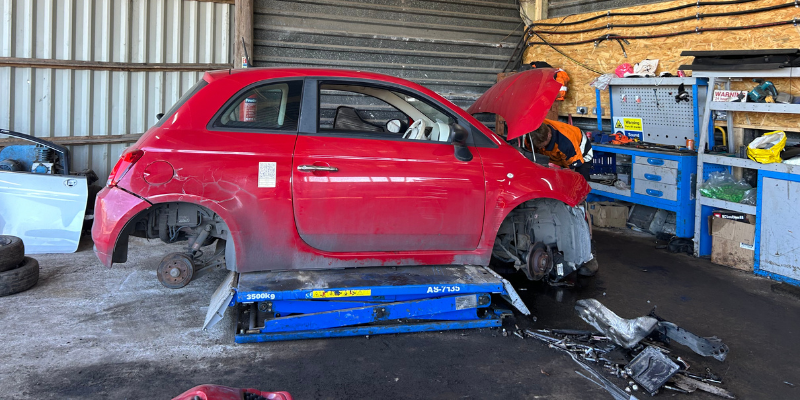
Scrap vs Sell: Which Gets You More for Your Damaged Car?
Scrap vs Sell: Which Gets You More for Your Damaged Car? If your car’s been damaged, written off, or stopped running altogether, you’re probably wo...
2 min read
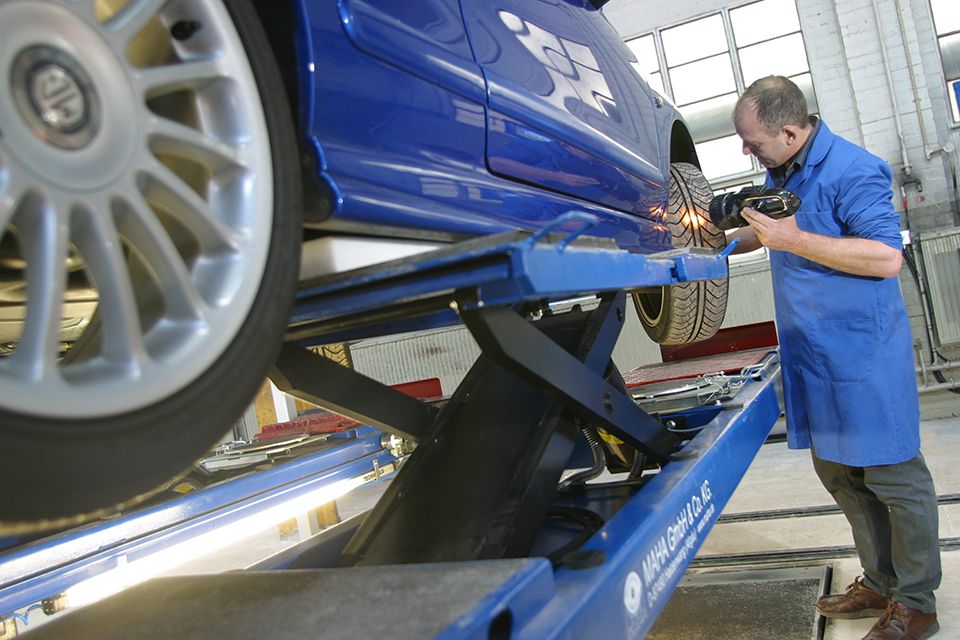
Can You Sell a Car That Failed Its MOT? Here’s What It’s Really Worth | Second Gears
Can You Sell a Car That Failed Its MOT? Here’s What It’s Really Worth When your car fails its MOT, it can feel like the end of the road. You’ve g...
5 min read
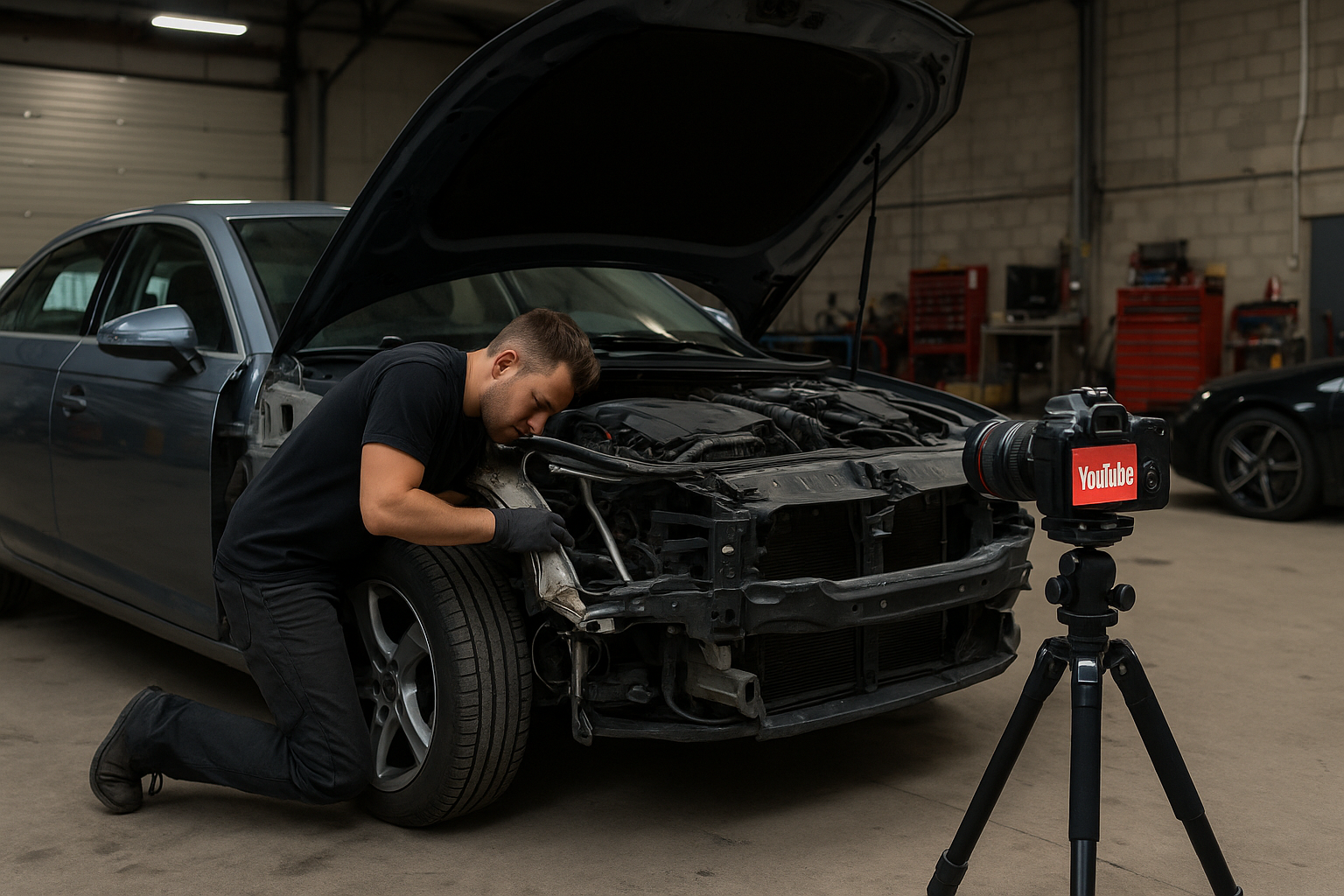
The Fastest-Growing Car Rebuilders in the UK Right Now and What They’re Fixing
The Fastest-Growing Car Rebuilders in the UK Right Now and What They’re Fixing Britain’s rebuild scene has gone mainstream. What was once a quiet c...
6 min read